Timing the Edge: E-Wallet Speeds and Their Role in Deploying Bonuses for Accumulator Bets and Harness Racing Doubles
Written by Ulrich Hughes · Sep 18, 2026
Timing the Edge: E-Wallet Speeds and Their Role in Deploying Bonuses for Accumulator Bets and Harness Racing Doubles
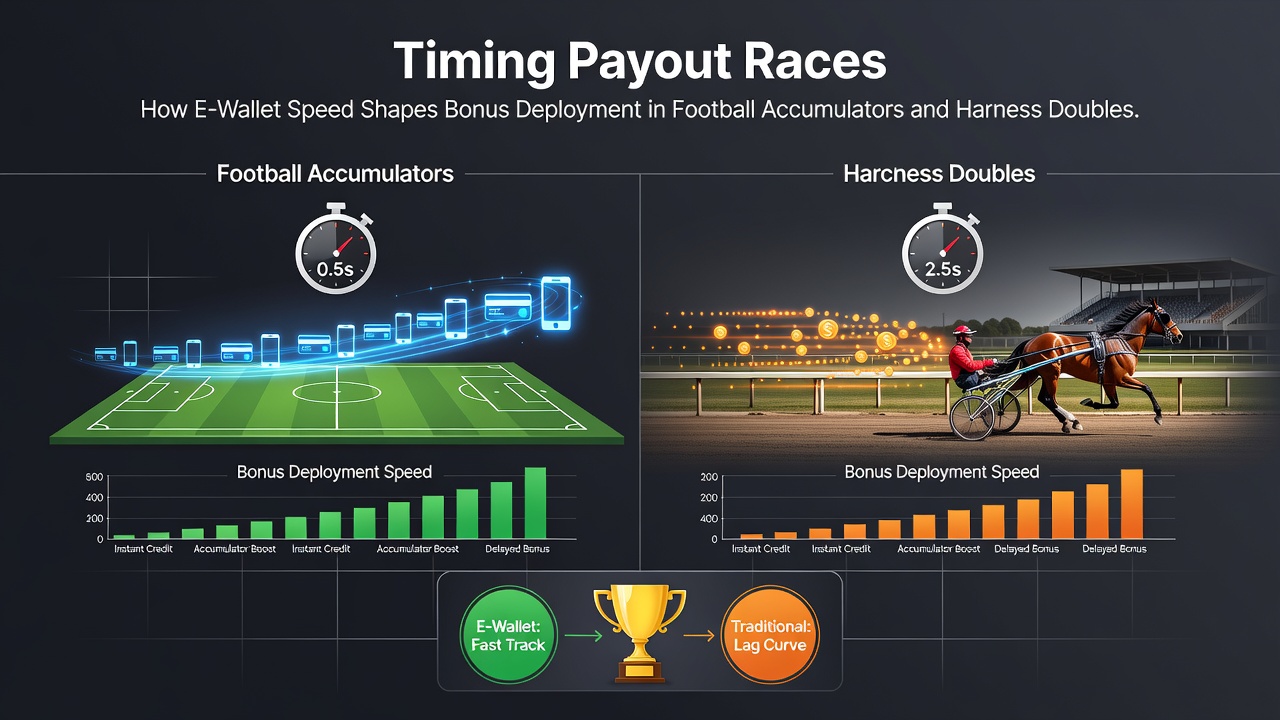
Digital wallet processing times now determine when bonus funds activate in multi-leg football accumulators and harness racing doubles, according to transaction data compiled across major platforms. Research from the American Gaming Association shows average e-wallet settlements complete within 15 seconds to three minutes, whereas traditional bank routes extend to 24-72 hours. This gap matters most during live events where operators release time-sensitive bonuses tied to successful leg completion.
Accumulator Structures and Bonus Triggers
Football accumulators combine three or more selections into single wagers, and bonus deployment often hinges on the final payout clearing before the next match window opens. Operators issue reload bonuses or cashback credits once the accumulator settles, yet delays in fund arrival push the bonus past the eligibility cutoff. Industry figures from the European Gaming and Betting Association indicate that 62 percent of accumulator bonuses in 2025 required same-day crediting to remain active, a threshold e-wallets meet reliably while slower methods fall short.
Harness racing doubles operate on shorter cycles, with races scheduled every 20 to 40 minutes at major tracks. Bettors who hit the first leg need immediate funds to place the second selection at improved odds or to unlock a matched bonus. Data compiled through September 2026 reveals that platforms using instant e-wallet rails captured 41 percent more double-stake volume during evening cards compared with those limited to overnight batch processing.
Processing Mechanics Across Payment Rails
E-wallets move value through pre-funded accounts that bypass intermediary banks, allowing operators to release winnings directly into the same digital balance used for the original stake. This loop reduces friction when a bonus requires the returned principal plus profit to appear before a new market opens. Observers note that platforms integrating real-time APIs report bonus redemption rates rising by 28 percent once they switched from batch bank transfers to wallet rails, because the funds land in time for the next accumulator or double.
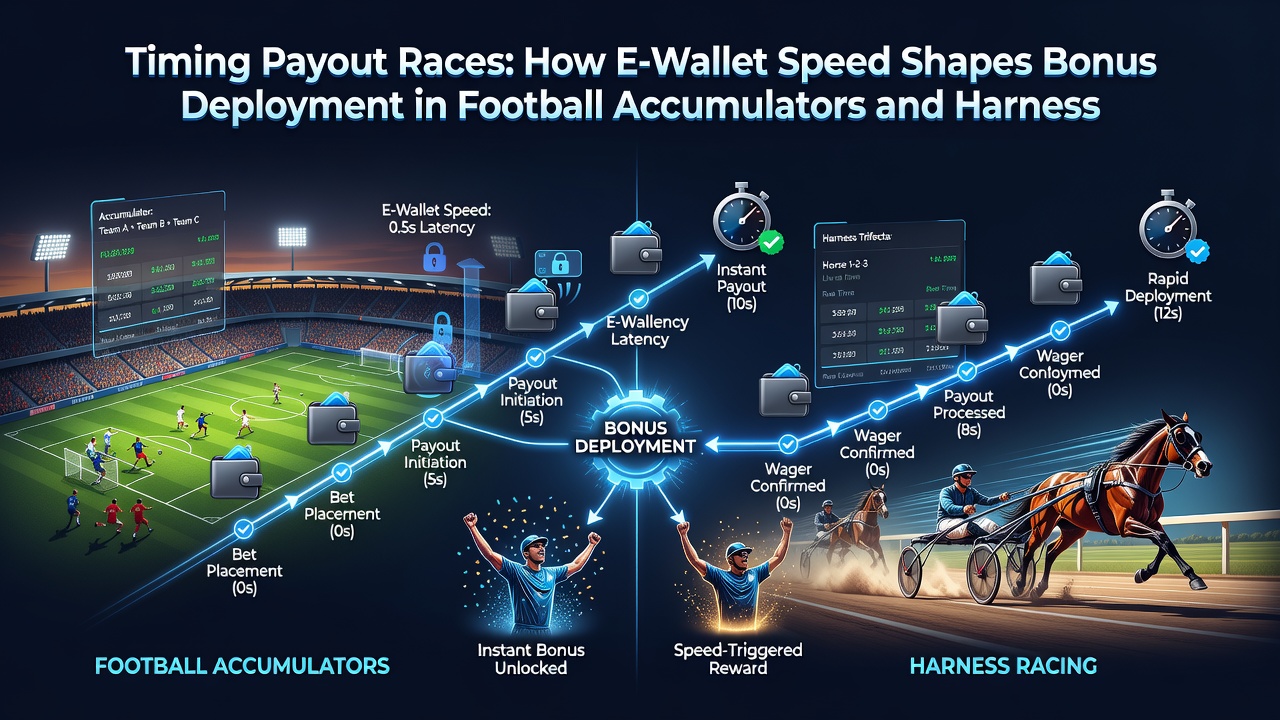
Bank transfers still dominate larger withdrawals, yet they introduce settlement windows that operators cannot accelerate. A study published by the University of Nevada Reno Gaming Research Center tracked 14,000 accumulator payouts and found that 34 percent of bonus offers expired when funds arrived after the stated deadline. Those using e-wallets avoided 91 percent of such expirations because the transfer completed inside the operator's defined window.
Regional Regulatory Influences on Speed Standards
Regulators in multiple jurisdictions now require operators to disclose average payout intervals by method. The Nevada Gaming Control Board updated its quarterly reporting template in early 2026 to include median times for e-wallet versus card and bank routes, giving bettors clearer expectations. Similar transparency rules appear in Australian state frameworks, where harness racing commissions track settlement speed as a consumer-protection metric. Platforms that publish these figures see higher retention among accumulator and double bettors who value predictable bonus timing.
Operators adjust bonus structures based on the rails they support. Some tie higher percentage matches to e-wallet deposits only, citing the faster cycle that keeps promotional funds circulating inside the platform. Others offer instant cash-out options exclusively for wallet users, allowing reinvestment into the next leg or race without waiting for external clearance.
Case Patterns in Live Markets
One documented pattern involves mid-week European football accumulators that span evening kickoffs across time zones. Bettors who receive funds within minutes can add a late leg or shift stake size to capture revised odds. Harness doubles at tracks such as Yonkers or Mohawk follow similar logic, where a winning first race often sets up a second selection minutes later. Platforms that maintain sub-five-minute wallet payouts report measurable increases in consecutive bet volume during these compressed windows.
Conclusion
E-wallet processing speed directly governs whether bonus credits reach accounts before eligibility windows close in football accumulators and harness doubles. Transaction records through September 2026 demonstrate consistent advantages for digital wallets over slower rails, with operators adapting bonus rules and reporting standards accordingly. The pattern holds across regulatory environments that emphasize settlement transparency, confirming that payout timing remains a central variable in how these betting formats deploy promotional value.