Wallet Wars: E-Payments Versus Traditional Banking in Securing Live Betting Odds for UK Gamblers
Written by Ulrich Hughes · Aug 27, 2026
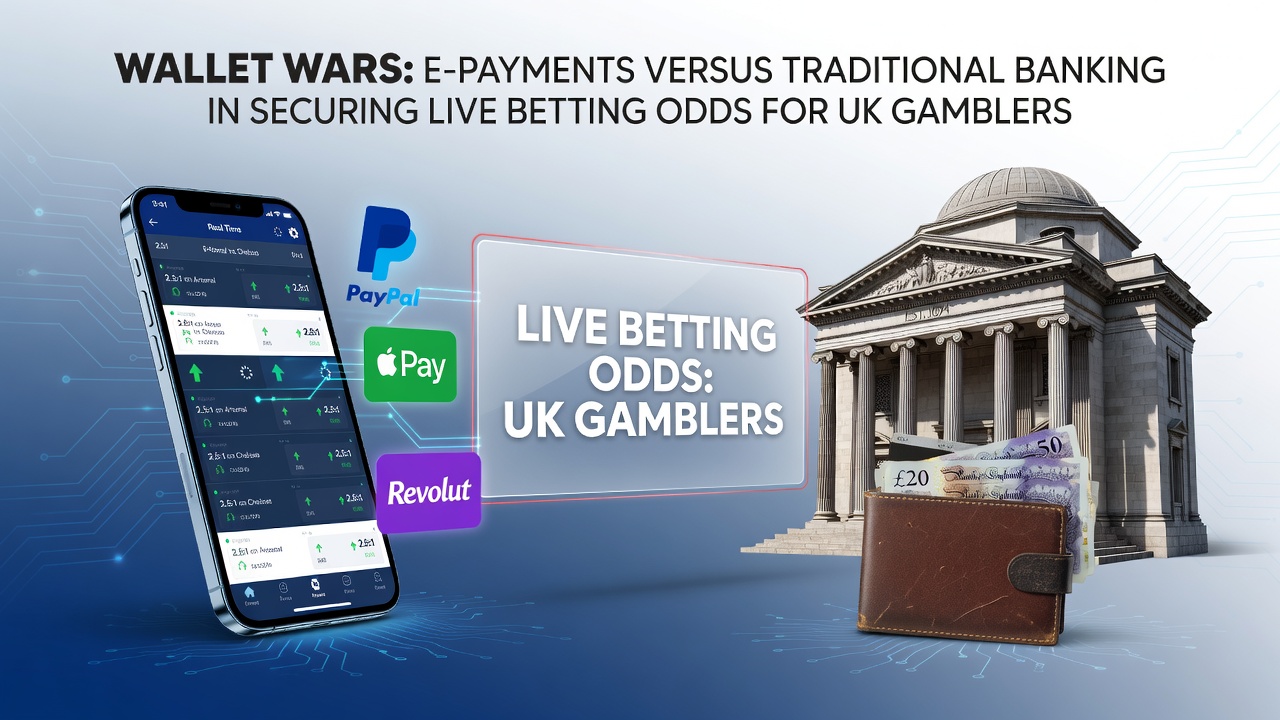
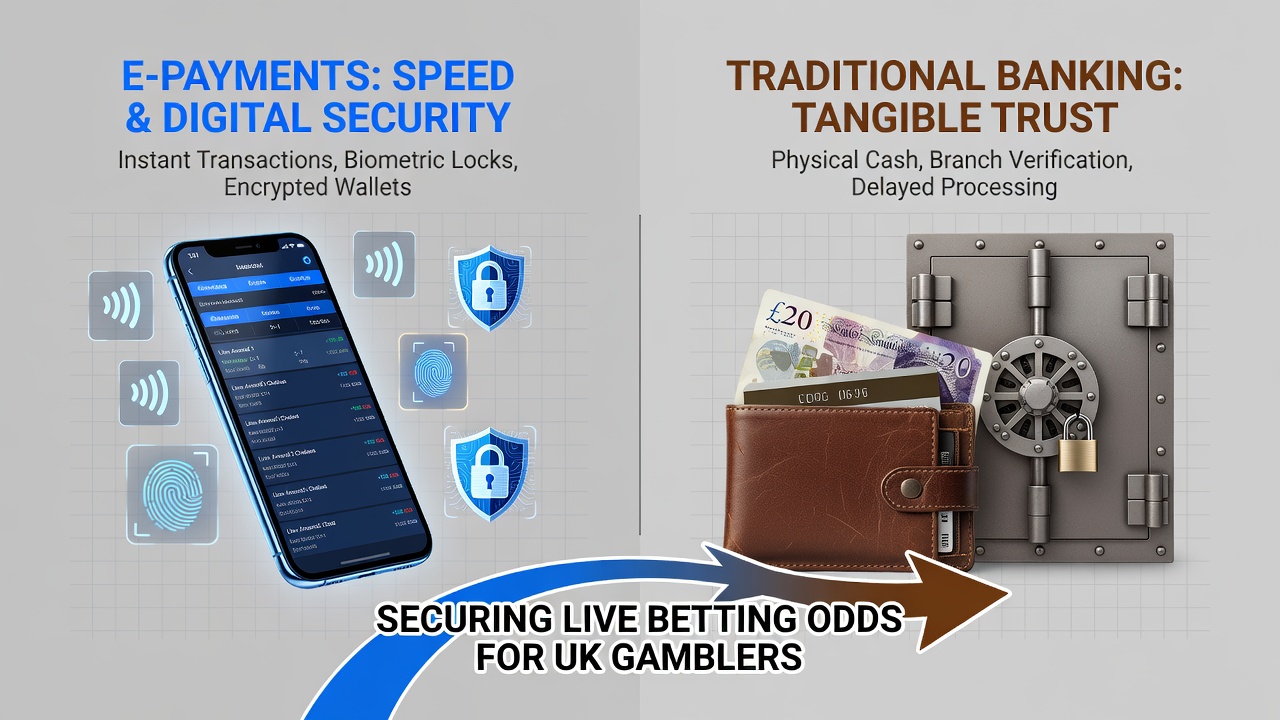
E-payments and traditional banking continue to compete in the space of live betting odds security for UK gamblers, with each method offering distinct technical safeguards that affect transaction speed, data protection, and account verification processes. Observers note that live betting requires rapid updates to odds during events like soccer matches or horse races, which places pressure on payment systems to maintain both speed and encryption standards without interruption. Digital wallets process transfers through tokenization techniques that replace sensitive card details with unique identifiers, reducing exposure during high-volume betting sessions. Traditional bank transfers rely on established clearing systems such as Faster Payments in the UK, which authenticate through direct account linkages and multi-factor protocols set by financial institutions. Researchers have tracked these differences through transaction logs collected up to August 2026, revealing patterns in how each handles fraud detection when odds fluctuate rapidly in real time. Security protocols in e-payments often incorporate biometric authentication and device fingerprinting, elements that align with requirements from bodies like the European Banking Authority for electronic payment services. Bank methods integrate with regulatory frameworks from agencies such as the Australian Securities and Investments Commission, emphasizing audit trails that record every odds-related wager placement. Those who study payment flows point out that wallet services frequently update their encryption layers quarterly, whereas banks maintain longer cycles tied to core banking infrastructure upgrades.Transaction Speed and Verification Layers
Live betting demands immediate fund availability to capitalize on shifting odds, and e-payment platforms deliver this through pre-verified accounts that bypass some traditional authorization steps. Bank transfers, while secure via established networks, introduce delays during peak event periods because they route through centralized clearing houses that batch approvals. Data from industry reports shows wallet transactions complete in seconds during soccer live markets, whereas bank methods average several minutes when volumes spike in August 2026.
Verification in wallets uses one-time passcodes sent to linked devices alongside behavioral analytics that flag unusual betting patterns tied to odds movements. Traditional banking applies similar checks but layers them with manual reviews for larger stakes, which can interrupt live wagering sequences. Experts tracking these processes highlight how wallet providers partner with third-party security firms to monitor for account takeovers specifically during high-stakes racing events.
Data Protection Standards in Live Markets
Both systems encrypt data in transit and at rest, yet their approaches diverge in scope and implementation. E-payments adopt standards aligned with international payment card industry guidelines that mandate regular penetration testing focused on betting platform integrations. Traditional banks follow national financial regulations that require comprehensive risk assessments, including those outlined in reports from the Financial Consumer Agency of Canada on consumer transaction safeguards.
Tokenization in wallets limits the storage of actual account numbers on betting servers, a measure that reduces breach impacts when odds data streams update continuously. Bank transfers keep account details within the banking ecosystem, relying on firewalls and access controls maintained by the institutions themselves. Studies from academic sources indicate that wallet users experience fewer reported incidents of credential theft in live betting contexts because of these compartmentalized storage methods.
Integration Challenges with Betting Platforms
UK gambling operators integrate both payment types into their systems, yet e-wallets often require fewer API adjustments when odds engines refresh during events. Bank connections demand additional compliance checks that align with broader financial oversight, sometimes creating bottlenecks when live markets demand instant adjustments. Those monitoring platform performance note that wallet integrations support real-time balance updates more fluidly across multiple bookmakers.
Fraud prevention tools in wallets include machine learning models trained on betting velocity data, allowing them to halt suspicious transfers mid-event without halting the entire session. Banks employ rule-based systems supplemented by human oversight, which provides robust protection but can slow responses to rapidly changing live odds scenarios. Figures from regulatory reviews reveal that wallet adoption rates among UK bettors rose steadily through mid-2026 as platforms refined these automated safeguards.
Future Developments in Payment Security
Emerging technologies such as blockchain-based verification appear in some wallet offerings, offering immutable records of odds-related transactions that appeal to users seeking transparency. Traditional banks explore open banking expansions that could streamline integrations while preserving their layered authentication advantages. Observers expect continued evolution in both areas as live betting volumes grow and security requirements adapt accordingly.
Conclusion
The competition between e-payments and traditional banking shapes how UK gamblers access secure live betting odds, with each method contributing unique strengths in encryption, speed, and verification. Ongoing data collection through 2026 continues to inform refinements in both approaches, ensuring that transaction integrity remains central to platform operations across soccer, racing, and other live markets.